
- Details
- Written by: J C Burke
- Hits: 1618
 FT Hydrogen Summit: Strategic Talking Points: Core Message Framework
"I'm not anti-hydrogen - I'm pro-sequencing. Biomethane CHP is the intelligent bridge to hydrogen fuel cells. Why waste 15-20 years when we can deploy 90% efficiency systems today and transition to H2 fuel cells when they're genuinely ready?"
Primary Elevator Pitch (60 seconds)
*"I'm here because I believe in hydrogen's future - but through fuel cells, not current electrolysis systems. The intelligent pathway is biomethane CHP as the immediate bridge solution. We're literally flaring waste biomethane while debating green hydrogen infrastructure.
My specialty is Combined Heat and Power systems using biomethane - 90% efficiency available today. I'm developing a £50m care home portfolio that proves this concept. In 15-20 years, when hydrogen fuel cells achieve 50-60% efficiency, we can transition. But meanwhile, we're capturing waste energy that's currently lost. The UK has successful CHP installations in Islington, Southampton, and Woking proving this bridge strategy works now."*
Key Statistical Ammunition
- Current hydrogen electrolysis: 25-35% efficiency vs Biomethane CHP: 80-90% efficiency
- Future hydrogen fuel cells: 50-60% efficiency (15-20 years) vs CHP available now: 80-90%
- UK transmission losses: 8-10% annually vs Local CHP: Zero transmission losses
- Hydrogen infrastructure cost: £100+ billion vs CHP leveraging existing gas grid + biomethane: Fraction of the cost
- Timeline: Green hydrogen commercial viability 2030+ vs Biomethane CHP deployment: Immediate
- Waste biomethane: Currently flared or released vs CHP utilization: Captures waste energy streams
- Details
- Written by: ChatGPT! and comments by John Burke
- Hits: 6590
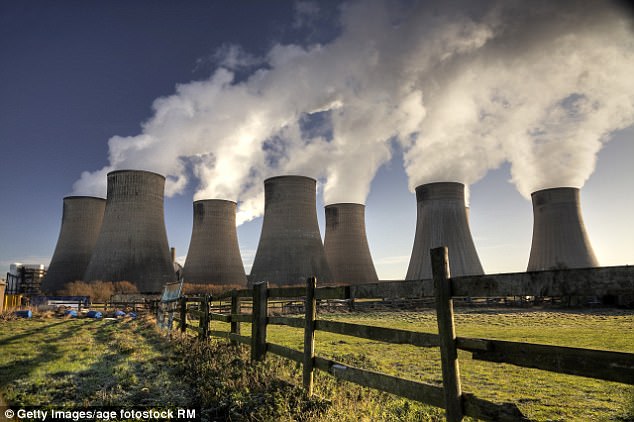 We asked ChatGPT the following question, its answer was good as it has access to a phenominal amount of relevant data! We also like the way it mentioned wasted heat from {centralised electricity production}
"What are the main benefits of Combined Heat and Power (CHP) systems in a city enviroment?
ChatGPT Answered
Combined Heat and Power (CHP) systems, also known as cogeneration, offer several benefits when implemented in a city environment. Here are some of the main advantages of using CHP systems:
-
Increased energy efficiency: CHP systems use the heat generated during electricity production, which would otherwise be wasted, to provide heat to buildings. By capturing this wasted heat, CHP systems can achieve efficiency rates of up to 90%, compared to just 50% for conventional power plants.
-
Reduced greenhouse gas emissions: Because CHP systems use less fuel to produce the same amount of energy, they emit fewer greenhouse gases than conventional power plants. In addition, by using locally generated energy, CHP systems can reduce the need for energy to be transported long distances, further reducing emissions.
-
Improved energy security: CHP systems can provide a reliable source of electricity and heat to buildings, even during power outages or other disruptions to the grid. This can help to improve energy security in a city and reduce the risk of blackouts or other energy-related issues.
-
Lower energy costs: By generating electricity and heat on-site, CHP systems can reduce a city's reliance on expensive grid electricity and imported fuels. This can lead to lower energy costs for businesses and residents, which can be especially beneficial in areas with high energy prices.
-
Increased resiliency: CHP systems can help to increase the resiliency of a city's energy infrastructure, by providing backup power and heat during emergencies or other disruptions. This can help to reduce the impact of disasters and other events that may disrupt energy supplies.
- Details
- Written by: J C Burke
- Hits: 5984
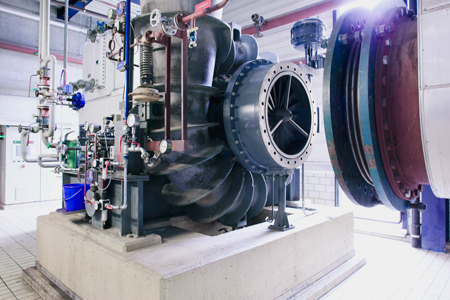
Combined Heat and Power (CHP) is not a new idea to the UK. Woking for example, has a large district heating network which makes considerable carbon savings and the Immingham plant on the Humber is a large industrial example. Yet when one compares the UK to Sweden, UK CHP seems very underdeveloped in comparison. Here we would like to discuss just what makes Swedish CHP so great and what the future holds in the UK for the technology.
We won't cover the technical aspects to CHP cogeneration here, as just an introduction is needed. The principle is simple however; whether on a micro scale or on an industrial scale, power production and industrial processes usually create a lot of heat, which is wasted ''potential'' energy. CHP cogeneration aims to take this waste heat and make it useful, increasing the efficiency of the installation. Often this will mean piping the heat to nearby buildings to be used for domestic, industrial heating, or even, additionally [by the use of Absorption Chillers] chilled water for air conditioning! Known as TRI-Generation
Example of Sweden – wide adoption of combined heat and power technology