
G5 Solar Flare 10-12th Nov 2025
- Details
- Written by: J C Burke
- Hits: 843

No, this is not a new war - but it is an onslaught of sorts - from our local 'Yellow Dwarf' - Our Sun. A very large solar flare is on its way to Earth and NOAA scientists have produced this intensity map - and Zimbabwe is right in the middle! [ALSO SHOWN on our Zimbabwe Website]
So expect radio and GPS interference, mobile disruptions etc. see Dailymail - 11th Nov 2025
The sun erupted in a massive solar flare, the largest of the year, sending a wave of solar activity that could affect Earth starting on Tuesday. A powerful X5.1-class flare, capable of disrupting satellites, high-frequency radio and high-altitude flights, burst from the sun today. The flare caused a radio blackout across Europe and Africa around 5am ET, briefly affecting aviation, maritime, emergency, GPS, radar and satellite communications.
Space scientist Steph Yardley described the solar activity as 'not very common,' noting these extremely energetic particles from the sun are so strong that ground-based detectors can pick them up. 'There have been 75 recorded since 1942,' she posted on X. NOAA scientists are monitoring a possible coronal mass ejection (CME), a huge cloud of solar material and magnetic fields, moving at about 3,000 miles per second.
If it is headed for our planet, it could trigger a strong geomagnetic storm, disturbing Earth’s magnetic field overnight into Wednesday. If it is headed for Earth, it could trigger a strong geomagnetic storm, disturbing Earth’s magnetic field overnight into Wednesday. Auroras may appear as far south as Pennsylvania, Iowa, and Oregon. Power grids, GPS navigation, and HF radio communications could all be affected, NOAA shared in an alert.
Copper Supply Issues
- Details
- Written by: John Burke questions AI regarding Copper Supply
- Hits: 912
 QUESTION:
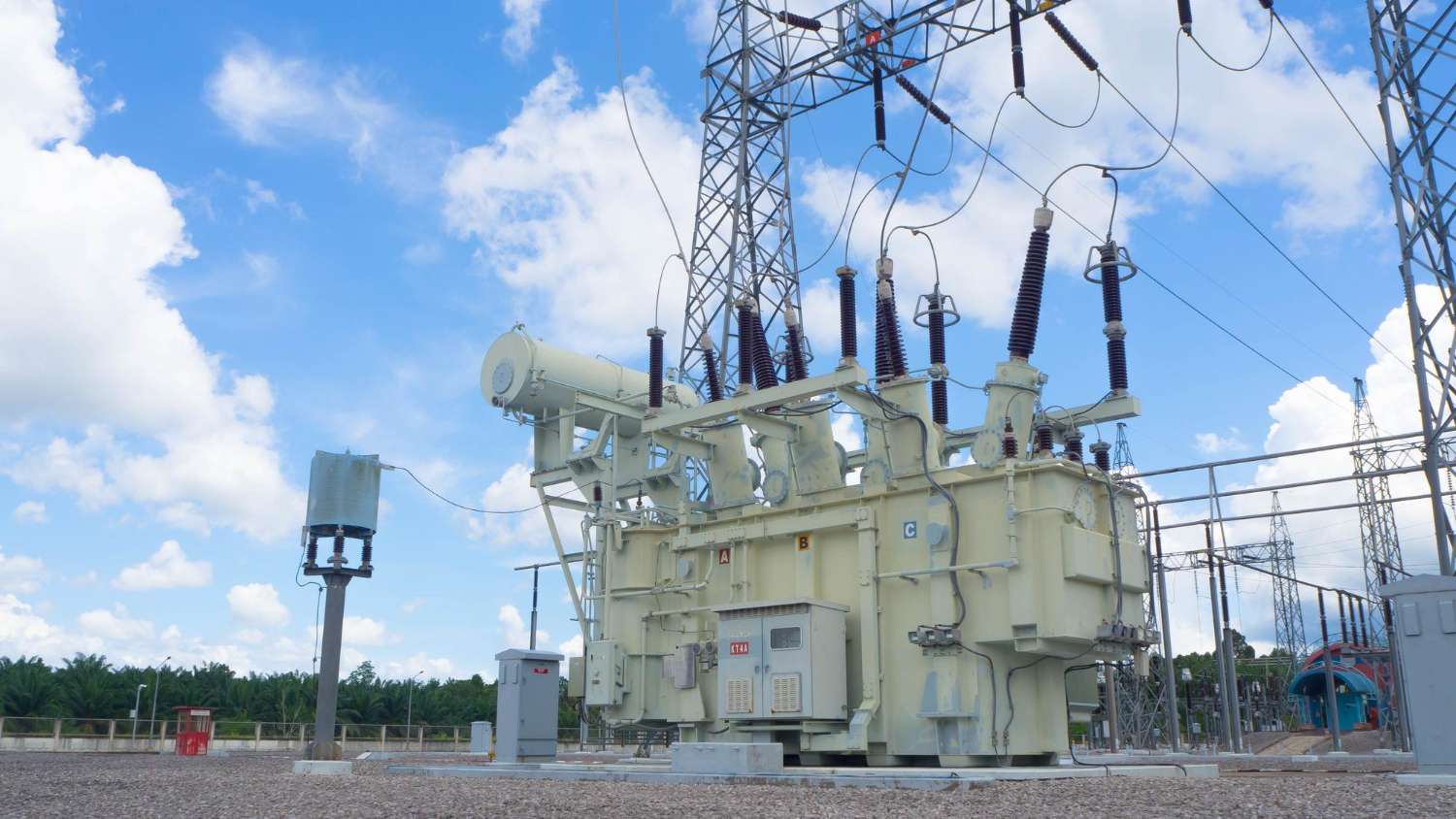
Given the ‘dash’ to electrify to the UK and European governments - today (30th October 2025) we heard at the FT Energy Transition Seminar - from ABB (Per Erik Holsten); there are Copper supply side problems meaning that ABB transformers have a 5 year lead time! What impact on a practical level will this have?
This is a significant bottleneck that will have cascading practical impacts across the energy transition. Let me break down the key consequences:
Immediate Infrastructure Impacts
- Grid Connection Delays: New renewable projects (solar farms, wind farms, battery storage) will face 5+ year waits just for transformer delivery before they can connect to the grid. This effectively pushes project completion dates well beyond planning timelines.
- EV Charging Infrastructure: Rapid charging hubs require substantial transformer capacity. Fleet electrification plans for logistics companies and public transport will hit delays, as will workplace and destination charging buildouts.
- Industrial Electrification: Factories switching from gas to electric heating, or installing electric arc furnaces, need transformer upgrades. This 5-year wait directly slows manufacturing decarbonization.
Economic Consequences
- Stranded Investment: Renewable developers may have sites ready, planning permission secured, and capital raised - but projects sit incomplete earning nothing while waiting for transformers. This ties up capital and increases financing costs.
- Cost Inflation: Scarcity will drive transformer prices higher. Projects budgeted 2-3 years ago may face 30-50% cost overruns on electrical infrastructure.
- Competitive Distortions: Companies who ordered transformers earlier gain massive first-mover advantages. Late movers face years of competitive disadvantage.
Subsidies vs Efficiency
- Details
- Written by: J C Burke
- Hits: 1010
 The Efficiency Alternative:
Why Decentralized Energy Systems Beat the Renewable Subsidy Race
A Pre-Summit Analysis for the FT Energy Transition Summit 2025 - 29th and 30th October 2025
By Sun Earth Energy Ltd
As the Financial Times Energy Transition Summit convenes this coming week, CEOs, policymakers, and—critically—US investors will gather to discuss the "path to net zero." They'll hear familiar themes: massive renewable deployment, gigawatt-scale solar farms, offshore wind expansion, and the billions in subsidies needed to make it all "competitive."
But what if that entire framework is thermodynamically backwards?
The Uncomfortable Truth About Current Policy
At this year's FT Hydrogen Summit, a senior DESNZ official made a remarkable admission: the UK government's strategy involves deliberately making natural gas expensive to make alternatives like hydrogen appear "competitive."
This isn't market economics. This is industrial policy disguised as environmental necessity.
The same mechanism drives renewable energy policy:
- Add £65/MWh carbon pricing to gas generation
- Apply windfall taxes to North Sea production
- Provide 25% capital grants for solar/wind
- Guarantee prices through Contracts for Difference
- Socialize grid connection and balancing costs
Then declare renewables "cheaper than fossil fuels."
The Thermodynamic Case No One Makes
Heat Network Regulation
- Details
- Written by: J C Burke
- Hits: 202
 Ofgem Heat Networks Regulation: Protecting Consumers or Stifling Innovation?
An Analysis of the Fair Pricing Protection Guidance Consultation: The Promise and the Problem
Heat networks represent one of the most thermodynamically sensible solutions to reducing energy waste in the UK. By capturing waste heat from power generation, industrial processes, and data centres that would otherwise be discarded, they offer genuine efficiency gains regardless of carbon accounting metrics.
Yet Ofgem's latest consultation on heat networks regulation reveals a troubling misalignment between stated objectives and likely outcomes. While claiming to support market growth, the framework may actually entrench exactly the barriers preventing heat networks from reaching their full potential.
The Regulatory Paradox
The consultation framework attempts to balance three objectives:
- Protecting captive consumers
- Supporting sector investment
- Meeting net zero targets
But these goals pull in fundamentally different directions, and the draft guidance reveals which objective takes priority.
Page 6 of 15